In an AI-driven world, content is no longer scarce. Narrative clarity is.
(See what we just did there?)
You can now generate a 40-page RFP response in minutes. You can summarize a grant application in seconds. You can even ask AI to “make it compelling”, stop using emojis, or to remove the em dashes.
But here’s the problem:
AI can generate language. AI can summarize. AI can even make recommendations based on the dataset available to it. AI CANNOT generate lived insight and it cannot generate discernment.
There is simply no like for like replacement of a clear human centered understanding. AI cannot feel the stakes of your customer’s world or discern the nuance in their current challenges better than a human in the loop.
That’s where storytelling becomes a competitive advantage.
In public-sector procurement, cooperative contracts, and grant writing, the companies that win are not just compliant. They are clear, they are emotionally intelligent, they demonstrate understanding…. and they tell a story the evaluator can see themselves inside.
Let’s break down how to build that kind of story using one of the most powerful storytelling structures ever created: the Pixar framework.
The Pixar Story Framework (And Why It Works in Proposals)
Pixar storytellers famously use this structure:
🏰Once upon a time… 🐉Every day… ⚔️ Until one day… Because of that… Because of that… 👑Until finally…
This format works because it mirrors how humans process change.
Procurement is not just about features or street cred. Stop focusing on the shiny features, professional credentials, or the “insert razzle dazzle of the day here”, and Start focusing on the pain.
Because in human psychology, it’s all about the transition. It is about moving from current state → to desired future state.
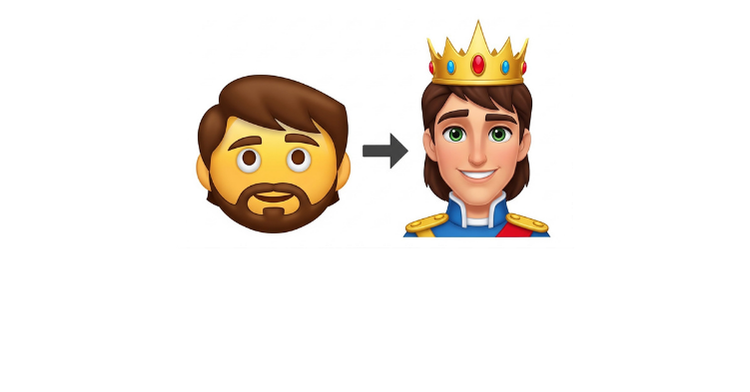
Let’s translate the Pixar structure directly into proposal strategy.
Step 1: “Once Upon a Time” – Define the Current State🏰
In a proposal, this is your customer’s reality. Not your product. Not your capabilities. Not your company overview.
Their environment. Their lived experience.
For example: Once upon a time, a mid-sized public safety agency was juggling legacy systems, manual reporting processes, and increasing community demand for transparency.
This step demonstrates empathy. You are saying: We see the world you operate in.
If you skip this step, your proposal reads like a brochure.
Step 2: “Every Day” – Establish the Friction 🐉
This is where you show the pattern and describe the pain.
For example: Every day, their teams spent hours reconciling data across disconnected platforms, responding to audit requests manually, and navigating procurement constraints that slowed innovation.
This is critical in public-sector proposals.
Evaluators want to know you understand operational friction:
- Compliance burdens
- Staffing shortages
- Budget cycles
- Grant restrictions
- Reporting requirements
- Political oversight
Step 3: “Until One Day” – The Trigger Event ⚔️
This is the catalyst.
In public procurement, this is usually:
- A failed audit
- A public incident
- New funding availability
- A mandate for modernization
- Leadership change
- A compliance deadline
For example: Until one day, new grant funding became available tied to performance reporting and digital transparency requirements.
Now we have stakes. Without stakes, there is no story. Without stakes, there is no urgency.
Step 4: “Because of That” – The Escalation ⚔️
This is where many proposals fail.
Instead of showing cascading consequences, they jump straight to product features. But in storytelling, consequences build momentum.
For example: Because of that, the agency needed to accelerate procurement while ensuring full compliance with grant reporting requirements.
Because of that, internal teams were stretched between operational duties and complex documentation demands.
Now the reader feels pressure.
This is the bridge between pain and solution.
Step 5: “Until Finally” – The Resolution 👑
Only now do you introduce your solution.
For example: Until finally, the agency implemented a unified platform aligned with cooperative purchasing pathways, enabling faster acquisition, automated reporting, and real-time visibility across departments.
Notice what we did here? We didn’t say:
“Our software has 12 dashboards and API integrations.” or “Or our service providers have X credentials”
We said: We resolve tension. We remove friction. We enable transformation.
Why This Matters More in the AI Age
AI can draft, summarize, reformat, reword…
But it cannot:
- Interview stakeholders with emotional intelligence
- Discern what matters politically
- Identify unstated risk (read between the lines)
- Weave strategy into narrative
- Align messaging with evaluator psychology
The most valuable skill in the next decade will not be content production. It will be human-in-the-loop narrative strategy.
At Civic North, we think of this as: Strategy → Structure → Story → Compliance
Not the other way around.
How to Apply This to Your Next Proposal:
Here’s a practical exercise you can run with your team.
Step 1: Interview for Story, Not Just Requirements
Ask:
- What keeps this agency leader up at night?
- What happens if nothing changes?
- What internal friction exists that is not written in the RFP?
- Who bears the operational burden?
Step 2: Write the Pixar Arc in 6 Sentences
Before writing the proposal, draft:
🏰Once upon a time… 🐉Every day… ⚔️ Until one day… Because of that… Because of that… 👑Until finally…
If you cannot articulate this clearly, your proposal lacks strategic clarity.
Step 3: Extract Win Themes
From that narrative, identify:
- Risk reduction
- Compliance acceleration
- Operational efficiency
- Funding optimization
- Political alignment
- Community trust
These become your core win themes.
Storytelling Is Not Fluff
- In public procurement and funding, storytelling is often dismissed as “marketing language.” When, it’s actually your biggest strategic advantage because It is showing evaluators: We understand your world. We understand the pressure. We understand the consequences. And we have a path forward.
In an AI age, the winners will not be those who generate the most content.
They will be those who bring the most discernment and emotional intelligence to the content.
And that always starts with, “Once Upon a Time…”
How to Implement This Today:
Before drafting your next RFP or Grant response:
- Write the six-sentence Pixar arc.
- Identify operational friction not explicitly stated in the RFP.
- Translate features into risk reduction and mission impact.
- Align messaging with funding intent and evaluation criteria.
If you cannot articulate the story clearly, your proposal lacks strategic alignment.
Ready to Strengthen Your Proposal Strategy?
At Civic North, we help organizations navigate procurement, grants, and revenue operations complexity without building a full internal back office.
If you are responding to RFPs, pursuing cooperative contracts, or scaling grant-funded programs, let’s talk.